Greeting this is the first edition of the African trends newsletter, where we would dive into many of the newsworthy trends taking place across the African continent.
Emerson Mnangagwa: President for life?
The first major story that I feel is worth diving into is the news that the Zimbabwean government has approved a draft legislation changing the nature of the Zimbabwean presidency. The changes would make it that the Zimbabwean President would be chosen by MPs rather than in a direct vote and would serve a maximum of two seven-year terms, rather than the current five-year terms. The other more immediate effect would be it could give Zimbabwe’s current President, Emmerson Mnangagwa, 83, the ability to extend his stay in office until at least 2030.
Mnangagwa first came to power in 2017 after a military coup ousted long-time leader Robert Mugabe. He would then go on to “win” a presidential election the next year and a second term in the 2023 Zimbabwean presidential election. Zimbabwe is just one of many examples of African presidencies who have held onto power through similar constitutional changes in the build up to elections. Last year, we saw President Alessane Outtarra, who has been in power since 2011, extend his rule for a fourth term as President, arguing that the 2016 constitutional refomrs passed by his government allowed for a “reset” in the number of presidential terms he is eligebile for.
A similar situtation played out in the Central African Republic where incumbern President Faustin-Archange Touadéra extended his rule to a third term due to consitutinal changes passed by his government in 2023 which removed term limits for President in the Central African Republic. There are near countless examples throughout the continent where African rulers have extended their rule through such constitutional changes, this latest action by the Zimbabwean government is simply a part of the broader pattern seen throughout the continent.
As discussed in this article, the fundamental problem that exists within African political systems lies in the presidential system that nearly every single African country has adopted. The presidential system, due to the outsized amount of power it places in a single individual makes it very convenient for individuals seeking to hold onto power to do so. African presidents often have massive control not only over the executive branch of the national government but also over the judiciary, legislative branch, the military, police and crucially the electoral commission which allow for blatant rigging of elections once in power.
Very often all it takes is for a person willing to consolidate power to do so, due to the weak democratic institutions that exist throughout the continent. The answer to truly preventing this same pattern from rearing its head over and over again around the continent is to move away from the hyper-presidential systems that exist throughout the continent, and instead adopt more federalist models of governments where power is dispersed around our countries. In addition to facilitating better governance and cultural preservation, these systems would go a long way towards preventing tyranny from taking hold in our nations.
Across the continent
- Nigeria – US: Security Cooperation Expands
Amidst a deteriorating security situation all across Nigeria, with increasing numbers of killings and abductions across the country, the United States government has deployed around 100 troops to Nigeria to aid in training of Nigerian soldiers in the fight against jihadist insurgents
- African Nationals in Russia’s War Effort
A number of African governments have raised issues with the use of their nationals by the Russian government in thor invasion of Ukraine. A number of African nationals have reported being lured into Russia under false pretenses, only to find themselves a part of Russia war effort either by working to produce military hardware or even finding themselves on the battlefield fighting against the Ukrainian military.
- Gabon Suspends Social Media
Social media sites have been suspended in Gabon by the government amidst protests by public sector workers over pay and working conditions. Gabon’s media regulator announced that social media sites would be suspended “until further notice” accusing social media sites of spreading “false information” stoking conflict and division in Gabon. This is the first wave of civil unrest felt by President Brice Oligue Nguema since taking power.
Country to watch: Ethiopia
Ethiopia emerges as our first Country to Watch in African Trends, as a convergence of internal tensions and regional rivalries threatens to destabilise not only the country itself but the wider Horn of Africa.
One of the most significant recent developments comes from allegations linking Ethiopia to the ongoing civil war in neighbouring Sudan. A report published by Reuters accused the Ethiopian government of facilitating support for Sudan’s Rapid Support Forces (RSF), one of the principal factions fighting the Sudanese Armed Forces.
According to the investigation, Ethiopia allegedly hosted a covert training facility on its territory used to prepare thousands of RSF fighters. The report cited satellite imagery alongside testimonies from multiple sources, including a senior Ethiopian government official, claiming that logistical assistance and military training connected to the camp were supported by the United Arab Emirates.
If verified, these revelations would represent the first credible evidence of direct Ethiopian involvement in Sudan’s conflict, signalling an escalation in the regionalisation of what was initially a domestic civil war.
Rising Regional Tensions
At the same time, relations between Ethiopia and Eritrea appear to be deteriorating once again. Despite their wartime alliance during the Tigray conflict, mistrust between the governments of Prime Minister Abiy Ahmed and President Isaias Afwerki has resurfaced.
In early February, Ethiopia’s foreign minister accused Eritrean forces of acts of military aggression, raising fears of renewed confrontation between the two states. Meanwhile, the United Nations warned of rising instability in the Tigray region, only a few years after the devastating war fought between November 2020 and November 2022. These developments suggest that the fragile post-war settlement in northern Ethiopia remains far from secure.
A Regional Powder Keg
Analysts at the International Crisis Group have described the Horn of Africa as increasingly volatile, describing it as a “powder keg,” due to the overlapping conflicts, proxy competition, and internal political fragmentation. You have several pressures are converging simultaneously:
- Growing geopolitical competition by Gulf states seeking strategic influence along Red Sea trade routes
- Persistent hostility between Ethiopian and Eritrean military establishments
- Ethnically driven internal conflicts within Ethiopia
- Efforts by the federal government to re-centralise authority after years of ethnic federalism
Each of these dynamics increases the likelihood that local disputes could spill across borders.
The Nile Dispute
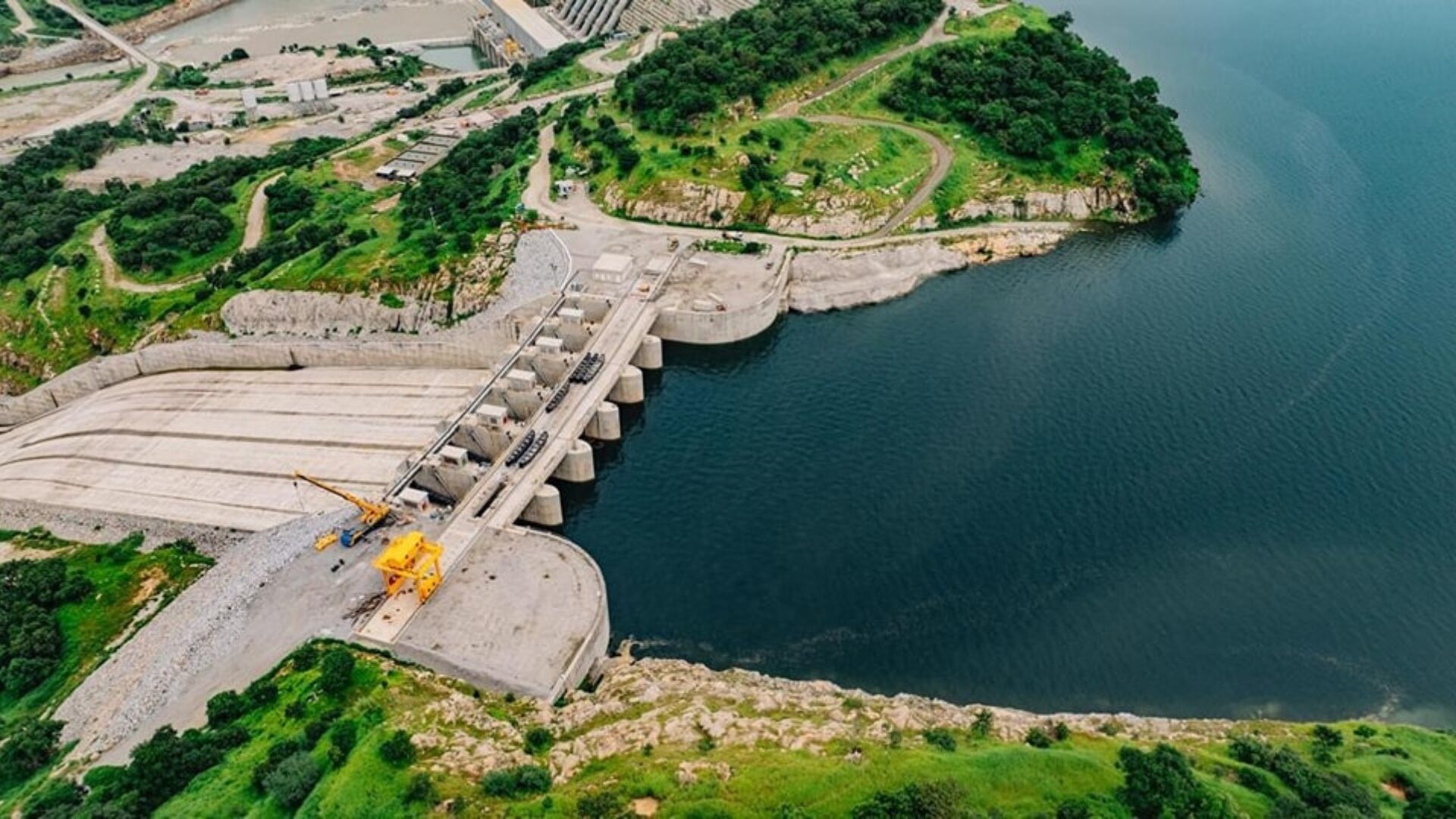
Adding another layer of tension is Ethiopia’s ongoing dispute with Egypt over the Grand Ethiopian Renaissance Dam, the largest hydroelectric project in Africa. Ethiopia views the dam as essential for economic transformation and energy security. Egypt, however, fears that upstream water retention could threaten the flow of the Nile, a resource upon which its population overwhelmingly depends. Negotiations between Addis Ababa and Cairo have repeatedly stalled, leaving the dispute unresolved.
Elections Amid Uncertainty
All of these pressures unfold as Ethiopia prepares for general elections scheduled for June 2026. Conducting credible elections in an environment marked by regional insecurity, political centralisation, and unresolved post-conflict tensions will pose a major test for the government.
Why Ethiopia Matters
Ethiopia is Africa’s second-most populous country and a political anchor of the Horn of Africa. Instability within its borders rarely remains contained. Should tensions escalate, internally or regionally, the consequences would reverberate across Sudan, Eritrea, Somalia, and the wider Red Sea corridor.
For these reasons, Ethiopia will remain one of the most consequential countries to watch in the months ahead.
Numbers that matter
- The Grand Renaissance dam is the 17th largest dam in the world and the largest hydropower dam in Africa
- The Dam cost $5 billion USD to construct. Primarily funded through domestic bonds, donations, and salary contributions from Ethiopian citizens rather than through foreign loans.
- The dam is projected to produce over 15,000 GWh of clean, renewable energy annually, doubling Ethiopia’s current electricity production
- Construction on the dam began in 2011 and was completed in 2023.
- On 20th February 2022, the dam produced electricity for the first time, delivering 375 MW to the Ethiopian grid
Looking Ahead
The Republic of Congo will be holding its Presidential election next month on the 15th of March, with incumbent President Denis Sassou Nguesso, who has been in power since 1997, expected to extend his rule for another five years.
Quote of the Week
“Reaching the inbox isn’t your goal—engaging people is.” — Matt Blumberg
It is my hope that more than simply building an audience with this newsletter but to provide important insight and analysis of events taking place around Africa that people would find to be truly worthwhile. Thank you for reading and I hope to see you again next week.