In a recent article, I discussed how corruption makes nearly every crisis across Africa worse. Whether the issue is insecurity, food shortages, disease outbreaks, or economic shocks, the problem is often not simply that these crises occur. Every country faces challenges. The real tragedy is that problems which should be manageable are allowed to escalate into national emergencies because governments have failed to build resilient institutions.
A drought becomes a famine because irrigation systems were never built. An epidemic spreads because healthcare systems were neglected. An insurgency grows because poverty, unemployment, and weak state institutions create opportunities for extremist groups. Economic downturns become national disasters because governments failed to prepare for inevitable shocks.
This edition, however, focuses on one consequence of poor governance that is often overlooked: the effect it has on Africa’s young people.
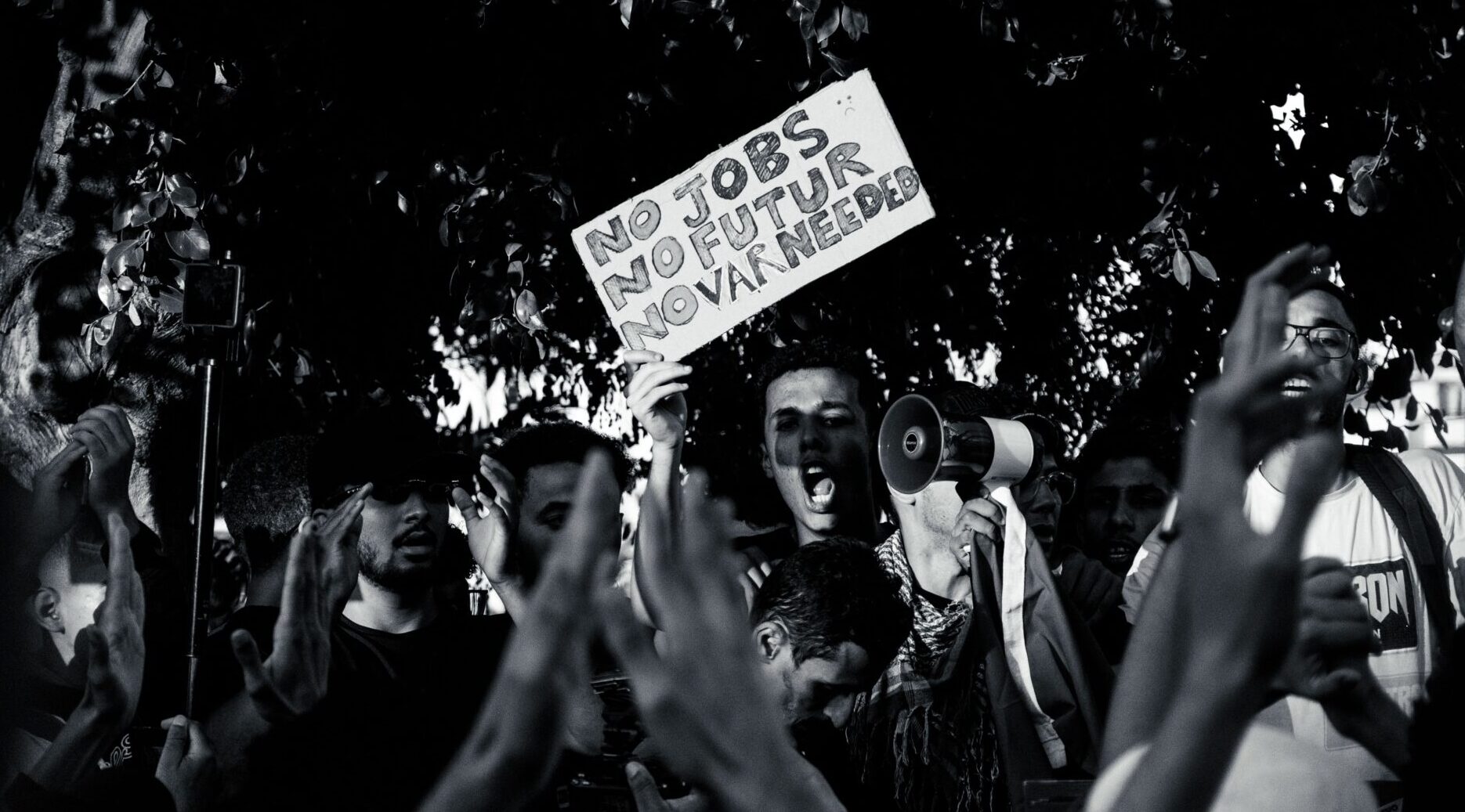
Many regular readers will know that I recently graduated from university and am now waiting for employment opportunities. Like millions of young people across the developing world, finding stable work has proven far more difficult than earning a degree. It is a reality that many graduates know all too well.
Across Africa’s largest economies, youth unemployment remains alarmingly high. According to the International Labour Organization, unemployment among people aged 15 to 24 stands at around 60.9% in South Africa, approximately 48% in Ghana, and roughly 19.6% in Nigeria, although the accuracy of Nigeria’s official figures continues to be debated.
The problem extends far beyond those who are officially unemployed. According to the African Development Bank, around one-third of Africa’s nearly 420 million young people are unemployed or have become so discouraged that they have stopped looking for work altogether. Another third survive in vulnerable informal employment, often characterised by low wages, unstable incomes, and poor working conditions.
Your twenties are often described as the years when life truly begins. They are supposed to be the years of building a career, earning your own income, forming lasting relationships, and becoming independent. Yet for millions of young Africans, that transition into adulthood has been delayed or, in some cases, made to feel almost unattainable.
I understand that feeling because I am living through it myself. Like many of my peers, there are moments when it feels as though valuable years of youth are slipping away. Years that could have been spent building careers, gaining experience, or establishing financial independence instead become years spent waiting. Waiting for opportunities. Waiting for interviews. Waiting for the chance simply to begin. It is a frustrating experience that many young people quietly carry with them every day.
Faced with this reality, it is understandable why so many young Africans dream of leaving. The prospect of better opportunities abroad is understandably attractive. But the uncomfortable truth is that hundreds of millions of Africans cannot all emigrate. It is neither realistic nor sustainable.
If Africa is to prosper, it must ultimately be transformed from within. That begins with demanding better governance and refusing to accept corruption as an unavoidable feature of public life. For decades, corrupt officials have diverted resources that should have been invested in schools, hospitals, infrastructure, agriculture, and job creation. The result is not simply slower economic growth. It is the loss of opportunity for entire generations.
Our countries are more than places on a map. They are our homes. They are where our families, communities, histories, and cultures are rooted.
Africa has already witnessed the gradual erosion of many of its languages and cultural traditions. If our brightest young people continue to leave because they see no future at home, that loss will only deepen. Migration will always be the right choice for some individuals, and no one should be criticised for seeking a better life. But it cannot become our only development strategy. The answer must be for us to take back control of our nations and provide better opportunities for our peoples, and more importantly for the next generations to come.
Thank you for reading African Trends. If you enjoyed this essay, you can read more analysis at The Sahel Post, listen to Africa PolitiCast, or share this newsletter with someone interested in African affairs.