The rise and normalisation of xenophobia in South Africa has been unfolding over many years. Yet 2026 has been particularly alarming, witnessing one of the largest waves of xenophobic protests and attacks in recent memory, with African immigrants once again bearing the brunt of the violence.
For many Africans, this is especially painful to witness because of the unique place South Africa occupies in the continent’s collective history. Pan-African solidarity was one of the defining features of both the anti-colonial and anti-apartheid struggle. While much of Africa had already secured independence and begun to be governed by indigenous leaders, Black South Africans continued to endure the brutality of apartheid.
In many ways, South Africa’s liberation felt like the final piece of Africa’s decolonisation. Just as African nations had supported one another in their own struggles for independence, countries across the continent stood alongside South Africa through financial assistance, diplomatic advocacy, military support, and by providing refuge to political exiles and liberation activists. The fight against apartheid was never viewed as South Africa’s struggle alone; it was regarded as Africa’s struggle.
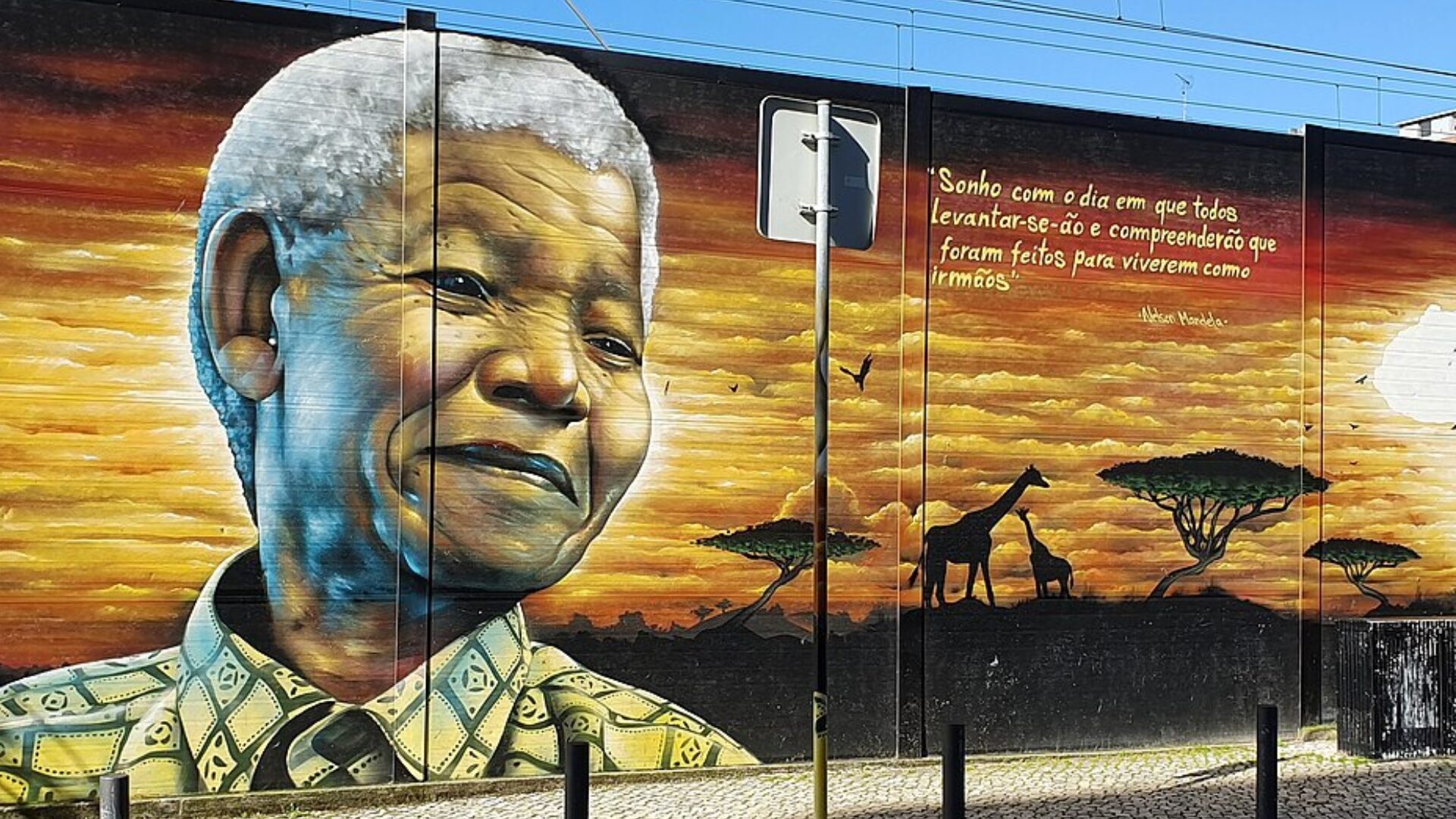
For my generation, the generation born after liberation, the story of South Africa is one we all grew up learning. Nelson Mandela, in particular, became more than simply a political leader. He came to symbolise resilience, sacrifice, reconciliation, and the triumph of justice over oppression. His journey from political prisoner to South Africa’s first Black president remains one of the defining stories of modern African history.
It is because of that shared history that harbouring negative feelings toward South Africa feels deeply uncomfortable. It is almost like watching a member of your own family lose their way. It would be unfair to suggest that all South Africans are xenophobic, as many continue to speak out against these attacks. Nevertheless, it is impossible to ignore that xenophobic sentiment has become both widespread and increasingly vocal within sections of South African society.
Almost every week this year has brought reports of protests, intimidation, or attacks targeting immigrants. On social media, xenophobic abuse directed at fellow Africans has become disturbingly commonplace. More worrying still, some organised groups have increasingly taken the law into their own hands, issuing ultimatums, like the June 30th ultimatum, demanding that undocumented immigrants leave the country or face violent consequences. Many families have fled simply out of fear.
These campaigns have often escalated into attacks on businesses, homes, and communities believed to belong to foreign nationals. Protesters have reportedly gone door-to-door searching for those they accuse of being undocumented immigrants. Yet in practice, the distinction between documented and undocumented migrants is rarely respected. In numerous cases, even South African citizens have fallen victim to these mobs, particularly members of minority communities, as what began as xenophobia has increasingly taken on tribal and ethnic dimensions.
What is perhaps most disturbing is how normalised all of this has become. No serious person would argue that South Africa should abandon its borders or refrain from enforcing its immigration laws. Every sovereign state has both the right and the responsibility to regulate migration. But there is an enormous moral and legal difference between enforcing immigration law through legitimate state institutions and allowing vigilante groups to terrorise neighbourhoods, intimidate families, and dispense mob justice.
Equally troubling is the fact that the overwhelming targets of these attacks are fellow Africans. While immigrants from elsewhere in the world may also face prejudice, the hostility directed toward African migrants is especially intense. Given South Africa’s own history of institutionalised racial discrimination under apartheid, it is profoundly tragic that those who were once victims of exclusion now see fellow Africans treated with such hostility.
In another article, I argued that xenophobia is often a symptom of deeper structural problems rather than their cause. In South Africa’s case, persistently high unemployment, inequality, slow economic growth, and frustration with political leadership have created fertile ground for scapegoating. Those are very real challenges that deserve serious policy responses.
Yet those same economic hardships exist across much of Africa. Many African countries host significant populations of migrants and even refugees despite facing severe resource constraints of their own. While tensions certainly arise elsewhere on the continent, few have experienced the scale or frequency of organised xenophobic violence that South Africa has witnessed. Economic hardship alone cannot fully explain what has become a uniquely entrenched social problem.
South Africa is confronting something deeper than an immigration debate. It is confronting a societal illness that has gradually been allowed to fester. History repeatedly shows that once a society becomes accustomed to blaming one vulnerable group for its problems, the search for scapegoats rarely ends. Today the targets may be African migrants. Tomorrow they may be ethnic minorities, political opponents, or any community perceived to be “different.” Indeed, there have already been instances where South Africans themselves have been caught up in these attacks simply because they belonged to a minority community or were mistaken for foreigners.
If South Africa is to honour the legacy of its liberation, it must reject this path. The values that inspired the struggle against apartheid, human dignity, equality, justice, and solidarity, cannot stop at the country’s borders.
Thank you for reading African Trends. If you enjoyed this essay, you can read more analysis at The Sahel Post, listen to Africa PolitiCast, or share this newsletter with someone interested in African affairs.