A common theme that has consistently been discussed throughout this blog has been the idea around the centralisation of power, particularly in presidential power across Africa. Increasingly we have seen the disire for strognman leadership taking root in many parts of the continent, under the impression that it would be better for development. A consistent theme we hear is if only there were one “good” person who would take power, then things would be better.
However, one of the fundamental weaknesses of concentrating political power in a single individual is the simple reality that no one person possesses all the knowledge required to govern a modern state effectively. Every nation consists of countless interconnected sectors: from agriculture and manufacturing to education, healthcare, finance, transportation, energy, technology, and national security. Each requires specialised expertise developed over years of study and experience. No president, prime minister, monarch, or dictator can realistically master every field.
This observation is not unique to politics. It reflects a broader principle that has shaped the development of every successful society: the division of labour. Writing over two thousand years ago, Plato argued in The Republic that societies emerge because human beings possess different talents and abilities. Since individuals cannot provide everything they need for themselves, they cooperate by specialising in different occupations. Centuries later, Adam Smith expanded this idea in The Wealth of Nations, arguing that the division of labour was the single greatest source of economic prosperity. Rather than every individual attempting to produce everything they require, productivity increases dramatically when people specialise, exchange their goods and services, and rely on the expertise of others.
Smith argued that this specialisation explains why advanced economies become wealthier over time. Workers become more efficient through repetition, develop specialised skills, and create innovations that would be impossible in a system where everyone attempted to do everything themselves. Wealth, therefore, is not created by concentrating all production in one pair of hands, but by distributing responsibility across millions of individuals who each contribute their own expertise.
The same principle applies to governance. Running a country is itself a complex division of labour. Friedrich Hayek’s concept of “dispersed knowledge” emphasises that critical economic and social information is never concentrated in the mind of a single individual but instead scattered among millions of individuals who possess unique, local, and constantly changing knowledge about their specific circumstances, skills, and preferences.
Legislators draft laws, judges interpret them, economists advise on fiscal policy, engineers design infrastructure, scientists guide public health, military leaders oversee defence, teachers educate future generations, entrepreneurs create wealth, and civil servants administer public services. Effective government is therefore not the product of one brilliant leader making every important decision, but of thousands of individuals applying specialised knowledge within their respective fields.
This illustrates why excessive centralisation of political authority is inherently flawed. Even the most intelligent and capable leader cannot possess complete knowledge of every community, every industry, or every policy area. When decision-making becomes concentrated in a single office, governments become increasingly dependent upon the judgment, biases, and limitations of one individual. Mistakes become more costly because there are fewer independent voices capable of identifying errors before they become national failures.
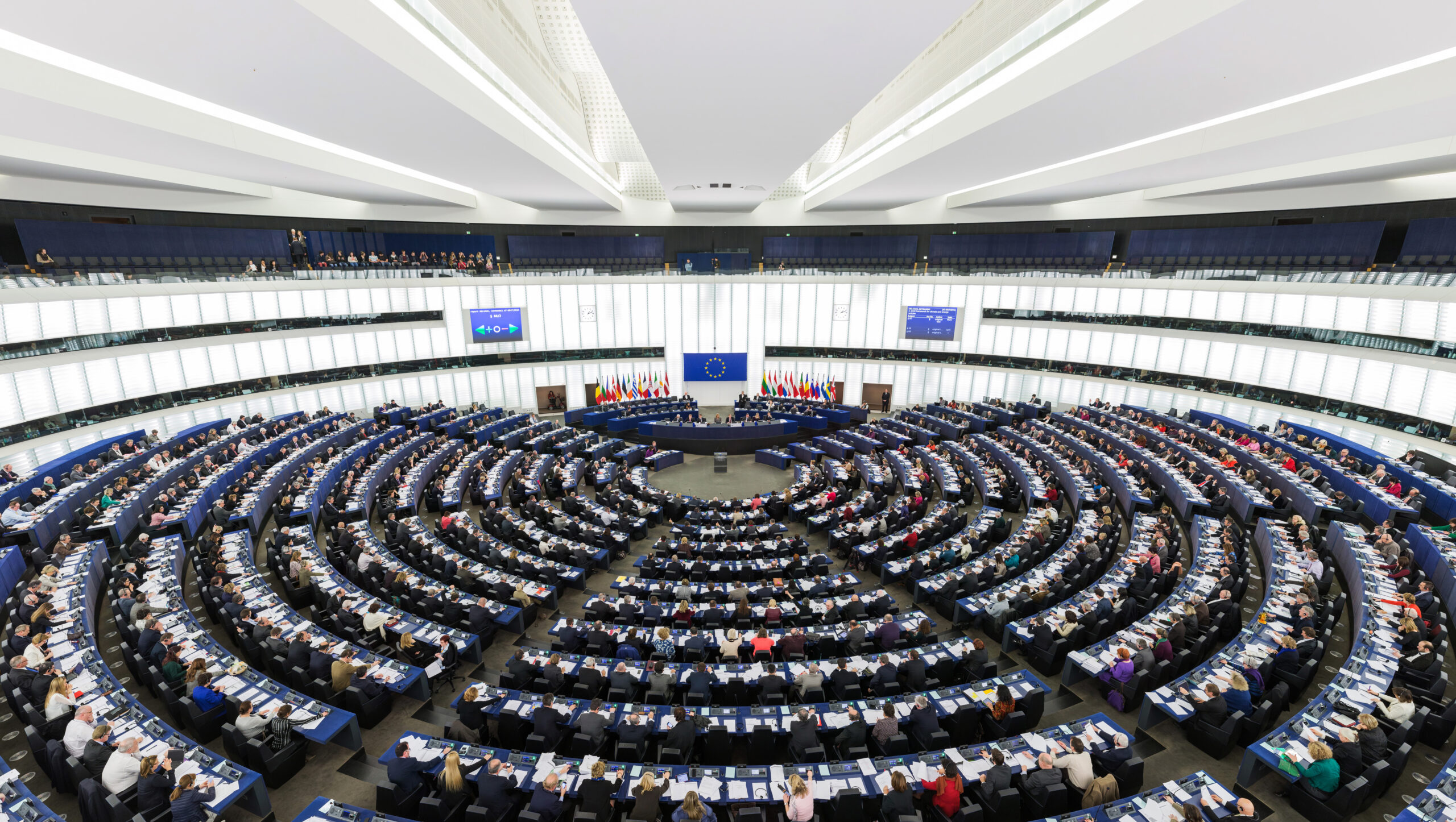
This is one reason constitutional democracies distribute authority across cabinets, legislatures, courts, independent institutions, provincial governments, and professional civil services. These institutions are not obstacles to effective government; they are mechanisms for incorporating a wider range of expertise and perspectives into public decision-making. Just as markets benefit from the specialisation of millions of producers and consumers, democratic governance benefits from the specialisation of many different institutions and representatives.
Friedreck Hayek famously argued in his 1945 essay “The Use of Knowledge in Society” that for central planners there exists an insurmountable “knowledge problem” because it is impossible for a central authority to gather, process, and continuously update all the partial and tacit information held by individuals,therefore top-down economic planning is always bound to fail.
The popular phrase “diversity is a strength” has become something of a cliché, but it expresses an important truth. Diversity is valuable not merely because people come from different ethnic or cultural backgrounds, but because they bring different experiences, knowledge, professions, and ways of thinking. Individuals who have lived different lives inevitably identify different problems, propose different solutions, and challenge assumptions that others may overlook.
This diversity of perspectives encourages innovation and reduces the risk of groupthink. Teams composed of individuals with varied educational, professional, and cultural experiences consistently generate more creative solutions than groups in which everyone shares similar backgrounds and assumptions. By drawing upon a wider range of skills and expertise, societies become better equipped to solve complex problems and adapt to changing circumstances.
The benefits of diversity extend beyond economics or organisational performance. They enrich culture, expand social understanding, and strengthen national unity by allowing citizens to learn from one another. Having lived in Eastern, Southern, and Western Africa, I have experienced firsthand how different cultures shape people’s perspectives, traditions, languages, cuisines, and values. These experiences have broadened my own understanding of the continent and reinforced the idea that diversity is not a weakness to be managed, but a resource from which societies can continually learn.
Ultimately, the lesson is straightforward. Just as no economy prospers by relying on a single worker to perform every task, no nation can depend upon a single individual to provide all the wisdom required for effective government. Successful societies recognise that knowledge is dispersed throughout the population. Their institutions are designed not to concentrate that knowledge in one office. The purpose of representative government is not simply to elect leaders, but to ensure that the widest possible range of experience, expertise, and perspectives contributes to the decisions that shape the nation.